 Daniel Bissell
 (1754-1824) of Windsor CT - Gen. Washington created the Badge of Military Merit (the Purple Heart) in 1782 for NCOs and soldiers. During the Revolutionary War, Washington awarded it to only 3 soldiers, all of whom were Connecticut NCOs. Bissell was one of them. He served in the war from 1776-1783, rising to sergeant and serving successively in the 5th and 2nd Connecticut Regiments. He had distinguished service as a spy, under direct orders from Gen. Washington. Posing as a deserter, he enlisted in the British Army in New York for 13 months and acquired valuable intelligence, including detailed information on enemy positions.
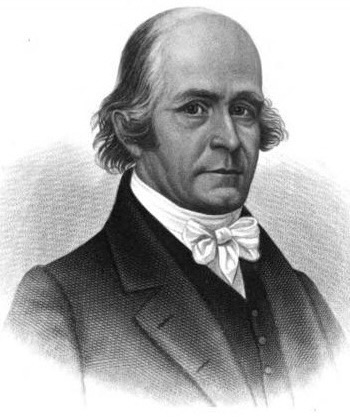 Paul Brigham
(1746-1824) of Coventry CT - Captain, Connecticut Militia. Revolutionary War service from 1777-1781, including the winter at Valley Forge in 1777. Later moved to VT, serving as Major General in command of the VT Militia and as 2nd Governor of Vermont.
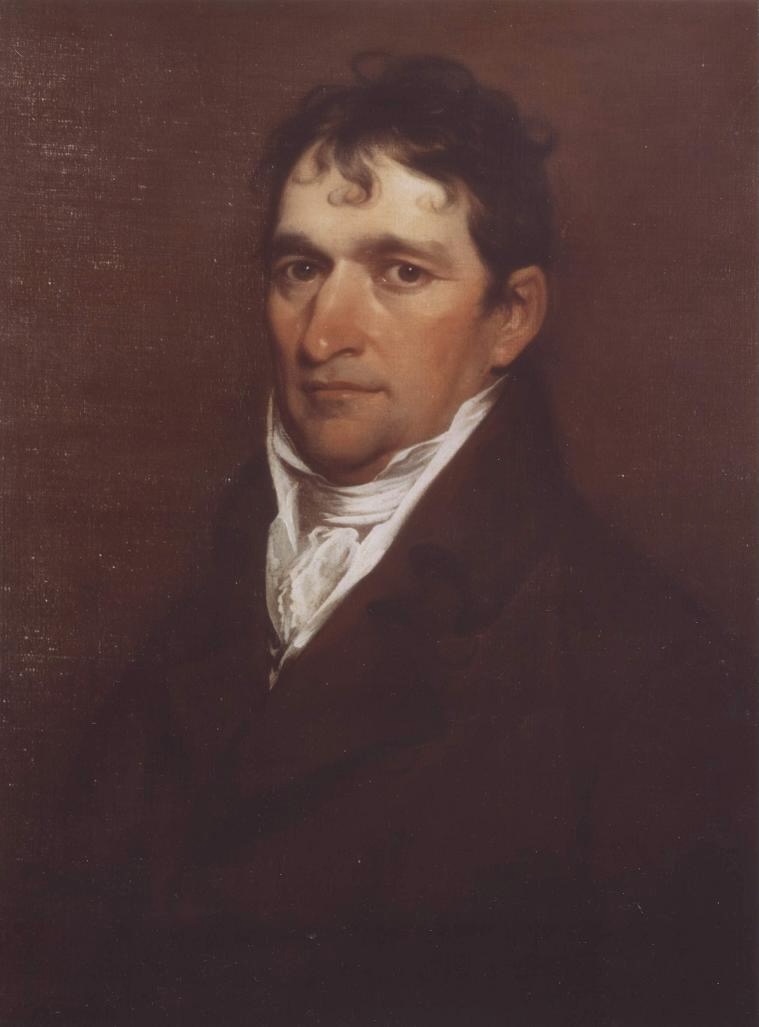 Isaac Bronson
(1760-1838) of Middlebury CT - Senior Surgeon, 2nd Regiment, Light Dragoons. Achieved rank of Colonel. Revolutionary War service from 1779-1783.
 William Brown
(1759-1808) of Stamford CT. Gen. Washington created the Badge of Military Merit (the Purple Heart) in 1782 for NCOs and soldiers. During the Revolutionary War, Washington awarded it to only 3 soldiers, all of whom Connecticut NCOs. Brown was one of them. He served in the war from 1775-1783, rising to sergeant and serving successively in the 5th, 8th, 5th and 2nd Connecticut Regiments. He is believed to have participated in the assault on Redoubt No. 10 during the siege of Yorktown.
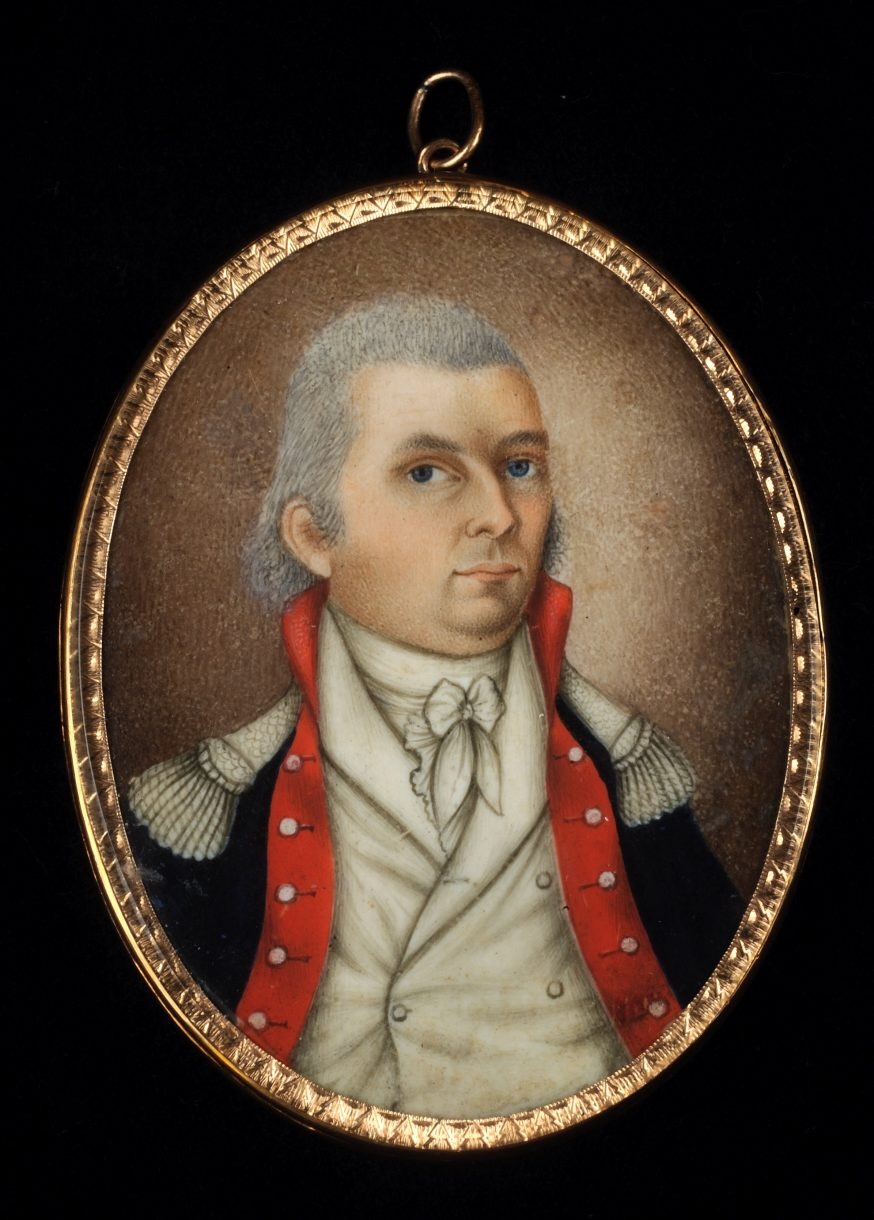 John Hutchinson Buell
(1752-1813) of Hebron CT - Captain, 20th Continental Regiment (Connecticut Line). He began as a sergeant in Israel Putnam’s Regiment in 1775 and remained in service for the entire war. He was present at numerous engagements and battles, including the Siege of Boston, New York, Trenton, Princeton, Brandywine, Germantown, and Monmouth.
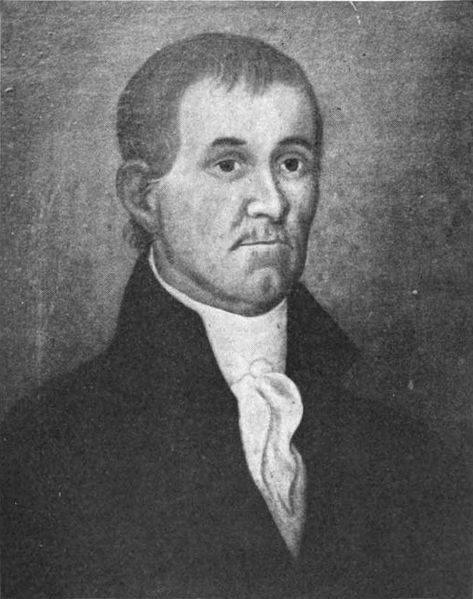 David Bushnell
(1740-1826) of Saybrook CT - Captain. Served 1779-1783, including at the siege of Yorktown. Taken prisoner at Darien CT in 1779 and then released. He invented the first weaponized submarine and was the father of naval mine warfare. Two US Navy submarine tenders were named after him in the 20th century.
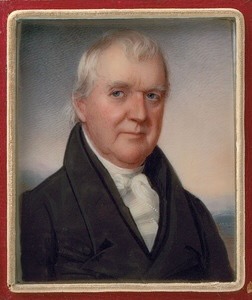 Epaphroditus Champion
(1756-1834) of Colchester CT - Assistant Commissary of Connecticut and then Commissary General of the Continental Army. After the war, he served nearly 20 years in the Connecticut Militia, rising to Brigadier General. Later a Congressman from CT.
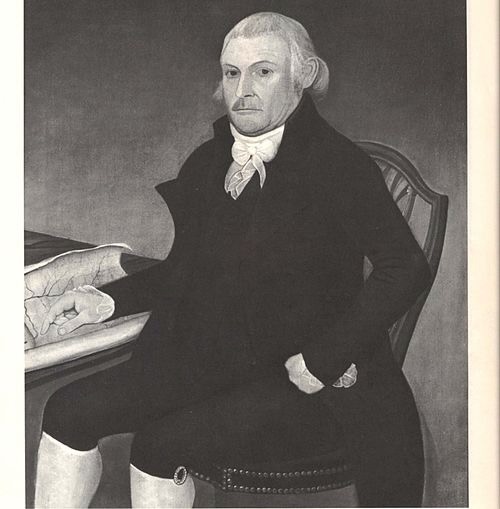 Henry Champion
(1751-1836) of Colchester CT - Major, 1st Connecticut Regiment and later Commissary General (Eastern Department), Continental Army. Served 1775-1783. Fought at Bunker Hill. Later a justice of the CT Supreme Court.
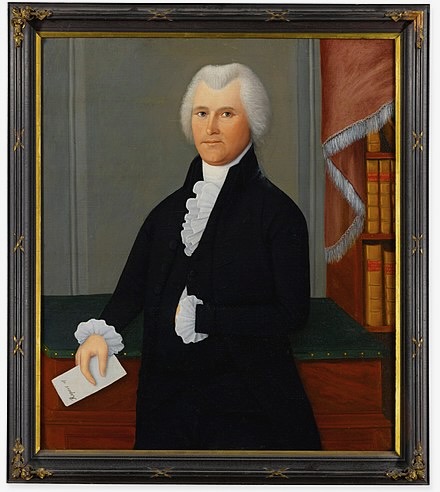 John Chester
(1749-1809) of Wethersfield CT - Colonel, Connecticut Militia. Revolutionary War service in 1775 and 1776 as a Connecticut Militia officer at Bunker Hill (company commander), the battle of Long Island (regimental commander), and the battles of White Plains and Trenton.
Elijah Churchill
(1755-1841) of Newington CT. Gen. Washington created the Badge of Military Merit (the Purple Heart) in 1782 for NCOs and soldiers. During the Revolutionary War, Washington awarded it to only 3 soldiers, all of whom were Connecticut NCOs. Churchill was one of them. He served in the war from 1775-1783, rising to sergeant and serving successively in the 8th Connecticut Regiment and the 2nd Connecticut Light Dragoons. He was cited for gallantry in action in New York at Fort St. George, Tarrytown and Fort Slongo, 1780-1781.
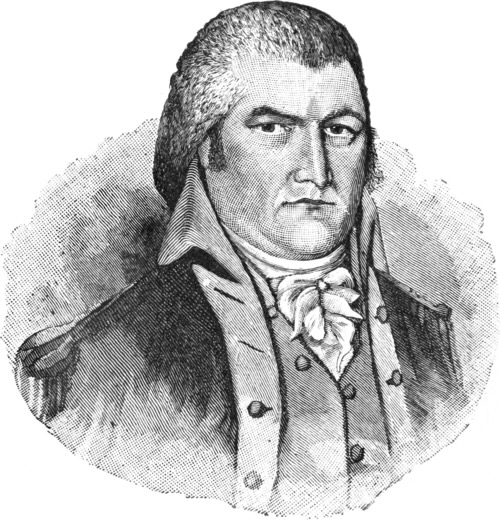 Moses Cleaveland
(1754-1806) of Canterbury CT - Ensign, 2nd Connecticut Regiment (Continental Army) and later Captain, Corps of Engineers. War service, 1777-1781. Brigadier General, Connecticut Militia from 1796. Later founded Cleveland, Ohio.
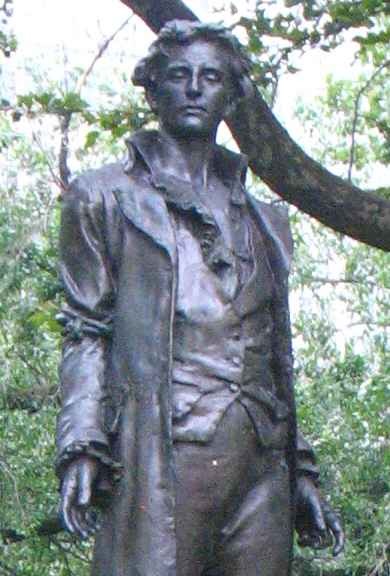 Nathan Hale
(1755-1776) of Coventry CT - First Lieutenant, Connecticut Militia; First Lieutenant, 7th Connecticut Regiment; and later Captain, 19th Regiment of Foot (Continental Army). War service, 1775-1776. Sailed from CT across Long Island Sound to Long Island on an intelligence mission in 1776 to gather information on enemy troop movements. Captured by the British and executed as a spy. His statute stands outside CIA Headquarters in Langley, Virginia. Declared the State Hero of Connecticut in 1985.
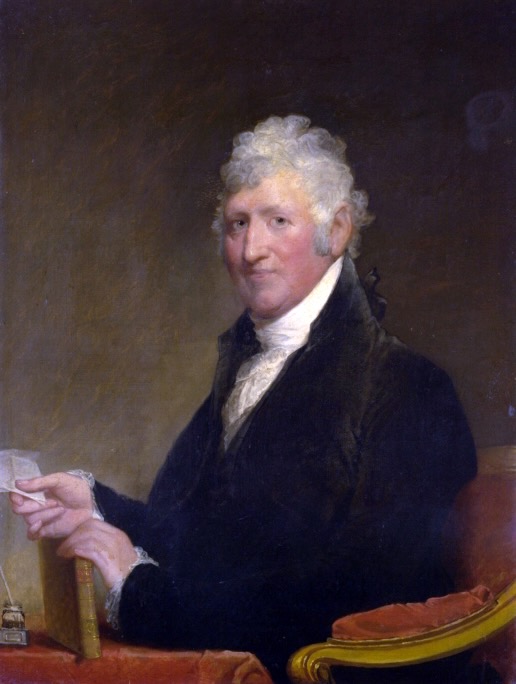 David Humphreys
(1752-1818) of Derby CT - Adjutant, 2nd Connecticut Regiment; later Lieutenant Colonel and ADC to General Washington. War service: 1776-1783. Battles of Ridgefield, Sag Harbor and Yorktown. After Yorktown, Gen. Washington entrusted the surrendered British colors to Humphreys. Humphreys was later a diplomat (US minister to Portugal and then Spain).
Ebenezer Huntington
(1754-1834) of Norwich CT - First Lieutenant, 2nd Connecticut Regiment; Captain, 22nd Continental Regiment; Lieutenant Colonel, successively, in Webb’s Additional Continental Regiment, 3rd Connecticut Regiment, 1st Connecticut Regiment and Swift’s Connecticut Battalion. War service: 1775-1783. Sieges of Boston and of Yorktown and battles of Long Island, Rhode Island and Springfield. After the Revolutionary War, he served for 30 years at Adjutant General of Connecticut and Major General commanding the Connecticut Militia. Brigadier General, US Army, 1798-1800. Member of Congress from Connecticut
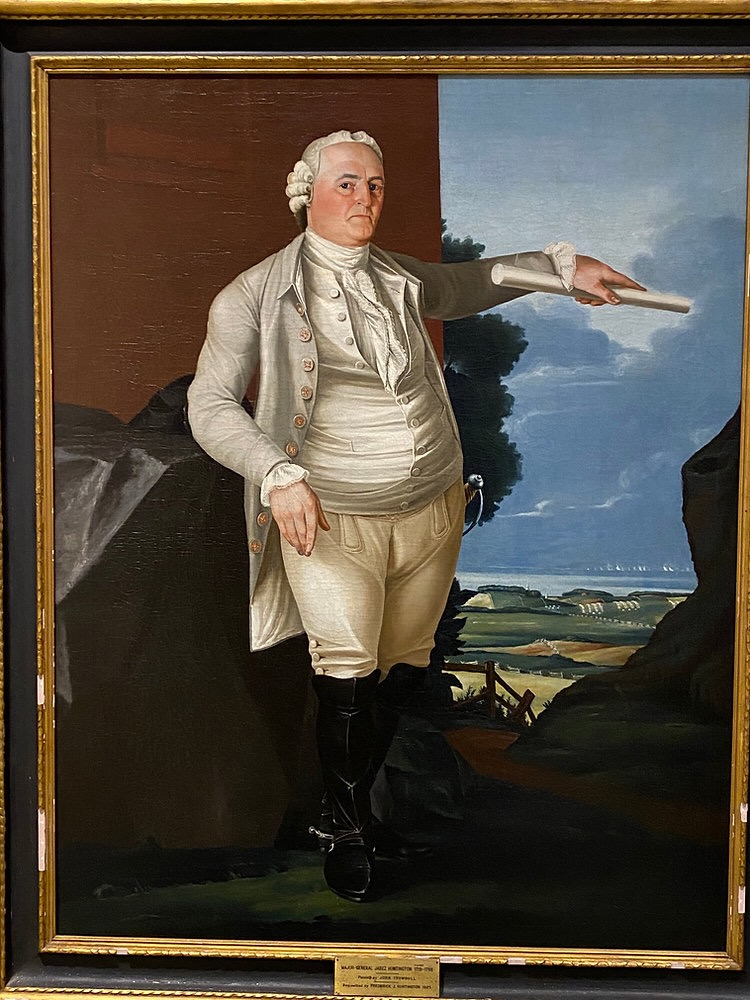 Jabez Huntington
(1719-1786) of Norwich CT - Major General in command of the Connecticut Militia (1776-1779). War service: 1776-1779. As a lead member of the CT Council of Safety, he played a key role in Connecticut’s support of the fight for independence.
 Jedidiah Huntington
(1743-1818) of Norwich CT - Colonel, 20th Regiment of Connecticut Militia in 1775 at the Siege of Boston; Colonel, 8th Connecticut Regiment from 1775; Colonel, 17th Continental Regiment from 1776 at Dorchester and Battle of Brooklyn; Colonel, 1st Regiment, Continental Line from 1777 at Battle of Ridgefield; Brigadier General in command of three Connecticut regiments from 1777 at Valley Forge and in command of four regiments in the 2nd Brigade of the CT Division from 1778 and in command of the 1st, 3rd and 5th Connecticut regiments from 1780; brevet promotion to Major General, 1783. War service: 1775-1783. Held numerous civilian positions in CT after the war, including State Treasurer.
William Ledyard
(1738-1781) of Groton CT - Lieutenant Colonel, Connecticut Militia. He was in command of Fort Griswold in Groton CT when it was overrun by British troops under the traitor, Benedict Arnold, during the 1781 Battle of Groton Heights. 800 British regulars are said to have attacked 157 poorly armed CT Militia soldiers defending Fort Griswold. Ledyard finally surrendered and offered his saber to the senior British officer, Major Bromfield. According to accounts, Bromfield then plunged Ledyard’s saber into him, killing him instantly. Others dispute this account. The British soldiers under Benedict Arnold showed no quarter to the surrendering militiamen. Arnold reported to his superiors that 85 militiamen had been killed and 60 wounded, most of them mortally.
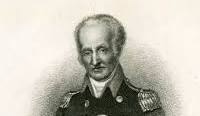 Jonathan Meigs, Sr.
(1740-1823) of Middletown CT - began the war in 1775 as Captain, Connecticut Militia at the Siege of Boston and finished the war in 1781 as Colonel, 6th Connecticut Regiment and acting commander, 1st Connecticut Brigade. War Service: 1775-1781. In May 1777, with 220 soldiers and 13 boats, he crossed from Connecticut to Long Island and at night led the successful Meigs Raid at Sag Harbor NY, burning 12 enemy boats and taking 90 prisoners without losing a single soldier.
 James Morris
(1752-1820) of Litchfield CT - Served as Ensign, Connecticut Militia in 1776 at battles of Long Island and White Plains and then as a Continental Army officer (rising to Captain) at Germantown and Yorktown. War service: 1776-1781. Held by British as a POW, 1776-1781. Released from captivity in January 1781 and served at the siege of Yorktown.
 Samuel Holden Parsons
(1737-1789) of Lyme CT. At the time of Lexington and Concord, he was a Major, 14th Connecticut Regiment (CT Militia). He was then commissioned as Colonel, 6th Connecticut Regiment and fought at Bunker Hill. In 1776, he was promoted to Brigadier General, Continental Army and fought in the battles of Brooklyn and White Plains. He defended Connecticut towns against British raids, and he spent winter 1778 with Connecticut troops in Redding CT. In 1779, he was placed in command of Israel Putnam’s division and was later promoted to Major General. War service: 1775-1782.
 Israel Putnam
(1718-1790) of Brooklyn CT. In 1775, Putnam rushed to Massachusetts after hearing of Lexington and Concord and was appointed one of 3 Major Generals under Commander-in-Chief George Washington. Played a key role in the Battle of Bunker Hill and in several subsequent battles. Saved Gen. Washington from capture after the battle of Long Island. Putnam escaped capture by the British in 1779 by riding his horse down a steep slope in Greenwich CT. War service: 1775-1779. Prior to the Revolution, he had fought in the 1750s in several engagements of the French and Indian Wars as a Colonel, Connecticut Militia.
 Moses Seymour
(1742-1826) of Hartford CT and later Litchfield CT - Was a Captain of Horse, 17th Regiment, Connecticut Militia and from 1776 Captain, 5th Cavalry Regiment. Promoted to Major in 1783. Fought in the defense of Danbury CT against Tryon’s attack. Present at the surrender of General Burgoyne in 1777. War service: 1775-1783.
Thomas Tanner
(1743-1817) of Cornwall CT - 2nd Lieutenant, Bradley’s Connecticut State Regiment. Taken prisoner at Fort Washington, 1776. Held as a POW for 4 years.
 Benjamin Tallmadge
(1754-1835), originally of NY, later of Wethersfield CT. Major, 2nd Continental Light Dragoons (composed principally of CT soldiers) from 1776. Brevet promotion to Lieutenant Colonel, 1783. He was George Washington’s very successful director of military intelligence and was the spymaster of the Culper Spy Ring. Very involved in uncovering the betrayal of Benedict Arnold. War service: 1776-1783.
 Jonathan Trumbull
(1710-1785) of Lebanon CT - Governor of Connecticut and Captain-General of the Connecticut Militia during the American Revolution. Paymaster General (Northern Department) of the Continental Army, 1778. Was one of only two colonial governors to remain governor after independence.
 Samuel Blachley Webb
(1753-1807) of Wethersfield CT. As Ensign, Wethersfield Company, CT Militia in 1775, he served at the Siege of Boston and the battle of Bunker Hill. Promoted to Brevet Major and ADC to Maj. Gen. Israel Putnam. Promoted to Lieutenant Colonel and appointed ADC to Gen. Washington, 1776. Served at Washington’s side, 1775-77, and was wounded twice in battle. Appointed in 1777 Colonel commanding Webb’s Additional Regiment, which he commanded until the end of the war, except for a period as a POW. War service: 1775-1783.
 Daniel Wooster
(1711-1777) of Stratford CT - Brigadier General, Continental Army from 1775, participating in the invasion of Canada. Appointed Major General in command of the CT Militia in 1776. Mortally wounded in 1777 at the battle of Ridgefield (CT). War service: 1775-1777. He also served from 1755 to 1769 in the French and Indian War, fighting in several battles and serving as Colonel commanding the 3rd Connecticut Regiment.
Samuel Wyllys
(1739-1823) of Hartford CT - Colonel, 3rd Connecticut Regiment. First Commandant of First Company, Governor’s Foot Guard (from 1771). Served in the Revolutionary War from 1775 to 1781, fighting at the Siege of Boston and the Battle of Long Island, among other engagements. After the war, he was Major General in command of the Connecticut Militia from 1793-1796.